Exploring Web Design Essentials and Development Synergy
- Dec 1, 2025
- 4 min read
When I first dived into the world of websites, I quickly realised that web design essentials and development are like peanut butter and jelly – they just work better together. You can have a stunning design, but if the development side is clunky, your visitors won’t stick around. Conversely, a perfectly coded site with poor design won’t engage users. So, let’s explore how these two disciplines blend to create websites that are not only beautiful but also functional and user-friendly.

Understanding Web Design Essentials
Web design is more than just making a site look pretty. It’s about creating an experience that guides visitors effortlessly through your content. Here are some key essentials I always keep in mind:
User-Centred Design: The user should always be at the heart of your design decisions. This means intuitive navigation, clear calls to action, and accessible content.
Visual Hierarchy: Use size, colour, and placement to highlight the most important elements. For example, your headline should stand out more than the body text.
Responsive Design: With so many devices out there, your site must look great on mobiles, tablets, and desktops.
Consistent Branding: Colours, fonts, and imagery should reflect your brand identity to build trust and recognition.
Fast Loading Times: Design choices should not slow down your site. Optimise images and avoid unnecessary animations.
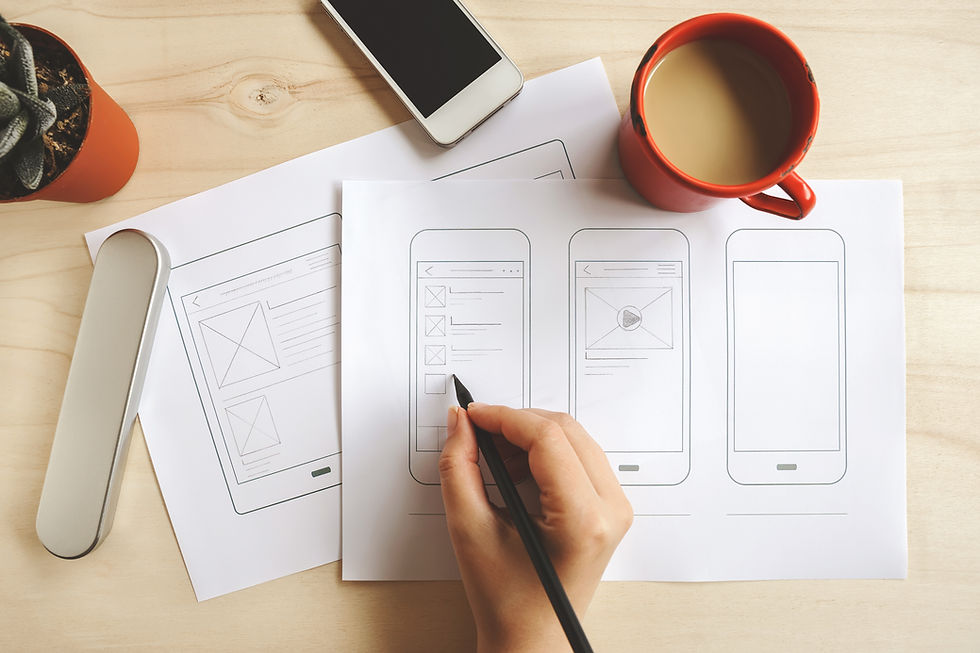
One practical tip I often share is to sketch wireframes before jumping into design software. This helps you focus on layout and user flow without getting distracted by colours or fonts.
The Role of Development in Bringing Design to Life
Once the design is nailed down, development takes over to turn those static images into a living, breathing website. Development involves coding the front-end (what users see) and back-end (server, databases) of a site.
Here’s what I find crucial in the development phase:
Clean, Semantic Code: This improves accessibility and SEO, making your site easier to find and use.
Cross-Browser Compatibility: Your site should work seamlessly on Chrome, Firefox, Safari, and Edge.
Optimised Performance: Minimise code, leverage caching, and use content delivery networks (CDNs) to speed up load times.
Security Measures: Implement HTTPS, secure forms, and protect against common vulnerabilities.
CMS Integration: Using content management systems like WixStudio or custom solutions allows easy updates without coding knowledge.
A good developer will collaborate closely with the designer to ensure the final product matches the vision and functions flawlessly.

How Web Design and Development Work Together
You might wonder why I emphasise the synergy between web design and web development. Here’s the deal: when these two teams communicate and collaborate effectively, the result is a website that delights users and meets business goals.
For example, a designer might envision a complex animation to enhance user engagement. The developer can advise on how to implement it efficiently or suggest alternatives that won’t slow down the site. Similarly, developers can inform designers about technical constraints early on, avoiding costly redesigns later.
Here are some actionable recommendations to foster this synergy:
Use Collaborative Tools: Platforms like Figma, Zeplin, or Adobe XD allow designers and developers to share assets and feedback in real time.
Hold Regular Check-Ins: Weekly meetings help catch issues early and keep everyone aligned.
Create a Style Guide: Document fonts, colours, buttons, and other UI elements to maintain consistency.
Test Early and Often: Prototype and test on multiple devices to catch usability or performance issues before launch.
By blending creativity with technical expertise, you get a website that’s both stunning and robust.
Practical Tips for Small Businesses and Startups
If you’re running a small business or startup, you might feel overwhelmed by the web design and development process. Here are some tips I’ve found helpful:
Start Simple: Focus on essential pages like Home, About, Services, and Contact. You can always expand later.
Choose the Right Platform: For many, WordPress or website builders like Wix, Wix Studio or Squarespace offer a good balance of ease and customisation.
Prioritise Mobile: More than half of web traffic comes from mobile devices, so mobile-first design is a must.
Invest in Quality Hosting: A reliable host improves speed and uptime, which affects user experience and SEO.
Use Analytics: Tools like Google Analytics help you understand visitor behaviour and improve your site over time.
Remember, your website is often the first impression customers have of your business. Making it user-friendly and visually appealing pays off.
Looking Ahead: The Future of Web Design Essentials
The web is constantly evolving, and staying ahead means embracing new trends and technologies. Here are some exciting directions I’m watching:
Voice User Interfaces: Designing for voice commands and smart assistants.
AI-Powered Personalisation: Tailoring content and design based on user behaviour.
Progressive Web Apps (PWAs): Combining the best of websites and mobile apps for faster, offline-capable experiences.
Sustainability: Designing and developing sites that consume less energy and load faster.
Accessibility: Making the web usable for everyone, including people with disabilities.
Keeping these trends in mind will help you build websites that are future-proof and user-centric.
Exploring the synergy between web design essentials and development has been a fascinating journey for me. Whether you’re a business owner, designer, or developer, understanding how these two areas complement each other is key to creating websites that truly shine. If you want to dive deeper into this topic or need expert help, check out web design and web development services that can bring your vision to life with professionalism and flair.